|
|
Wave Dancing Chinese Calligraphy--Chinese Calligraphy Art, lessons, Tattoo Design and Unique Gifts. |
|
Home | Master calligraphy | Scripts | History | Calligraphers | Lessons | Calligraphy Library | Search |
|
|
||||
Art |
Indian art pictureIf there's no indian art picture in the world, there will be no human. indian art picture give people beauty. Beauty can adjust people's mood. A good mood will improve people's work. The word becomes more beautiful because of indian art picture. Art works inspire people. Everybody in the world need inspiration. That's how people affect each other. That is how dead people affect living people. That's the wealth of human inherited from ancestors.
Enter to win a free Chinese calligraphy art work or tattoo design ($40 value)!
Chinese calligraphy--Art,
lesson, services and tattoo design.
Chinese
calligraphy art gallery
-- High quality calligraphy art works. Tattoo
design-- Chinese calligraphy tattoo design and pictures.
Chinese name calligraphy--
Discover how beautiful your name looks in Chinese calligraphy.
Custom Chinese calligraphy --
Customize the Chinese calligraphy works as you like. Select the size, script and
content on the calligraphy work.
Gift ideas -- You will get great
gifts to make someone happy.
Chinese
calligraphy lessons
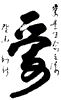
-- Chinese calligraphy lessons for beginners. Free! I imagine Steve P. is familiar with this book, but for others?in a nut shell, the general idea is that those individuals who excelled in artistic pursuits and were witty and creative rendered themselves more desirable in the eyes of prospective mates. It's actually difficult to tell what is art. No one can deny that some sports are also art. Or people will argue some plays are art works of sports. That particular event is extremely well documented, and despite happening over 100 years ago, seems to be an occurrence that left quite an impression - and one that remains on the minds of missionaries and their ilk to some extent if the frequency of references to the incident are any indication. Chinese calligraphy is an abstract art form. Chinese calligraphy is unique in term of the tools, materials and the spirit inside the art works. Chinese calligraphy is the soul of Chinese culture. There are also a lot of art works are selling in online auctions. But sometimes, people sell fake art works as authentic ones on the internet. Of course, people from outside headhunting cultures, that become the victims of headhunting will always have a degree of sensational interest attached to their stories just because of the relative novelty of the event. The possibility of drowning is also viewed as unlikely in the minds of many people, first because apparently Rockefeller was acknowledged as a very strong swimmer, and secondly because two local guides that had been on the boat when it capsized did successfully swim to shore, and many feel Rockefeller was certainly capable of doing the same. |
About us | FAQ | What's new | Suggestions | Partners | Resources Quesions? Email
calligraphy@wavedancing.net .
|